Avenida da Liberdade: Lisbon's Grand Boulevard of Elegance
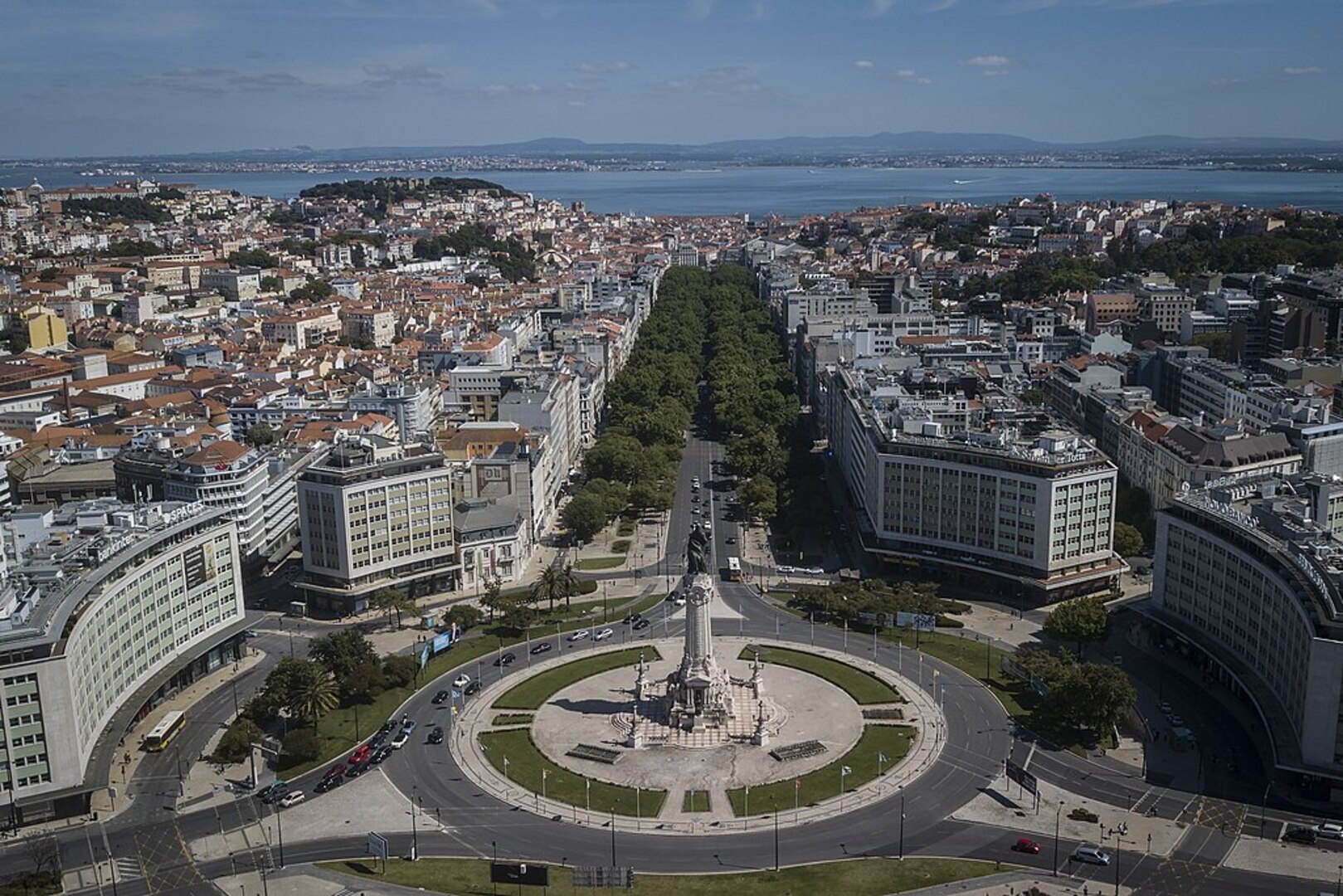
Stretching 1,100 meters from the Marquis of Pombal Square to Restauradores Square, Avenida da Liberdade embodies Lisbon's transformation from an earthquake-shattered capital to a modern European metropolis. Designed by engineer Frederico Ressano Garcia and completed in 1886, this 90-meter-wide boulevard was modeled after Paris's Champs-Élysées, creating a grand promenade that connects the city's historic Baixa district with the expanding northern neighborhoods. Today, beneath its canopy of plane trees and along its mosaic-paved sidewalks, luxury boutiques from Louis Vuitton to Prada stand alongside embassies, theaters, and cafés, while monuments to writers and composers punctuate the central gardens. To walk Avenida da Liberdade is to trace Lisbon's evolution—from the exclusive Passeio Público reserved for 18th-century nobility to a democratic thoroughfare that welcomes all, from morning joggers to evening strollers, from window-shoppers to those simply seeking shade on a hot afternoon.
From Private Garden to Public Boulevard
The avenue's origins lie in the Passeio Público, a walled park inaugurated in 1764 under the direction of Pombaline architect Reinaldo Manuel. Despite its name suggesting public access, the park remained exclusive to Portuguese nobility for decades, enclosed by high walls and gated entrances. This changed in 1821, when King João VI ordered the walls removed, opening the space to all social classes—a symbolic act that prefigured the avenue's democratic character.
As Lisbon expanded northward during the 19th century, the park's location shifted from peripheral to central. Architect Malaquias Ferreira Leal redesigned the space in 1835, introducing fountains, waterfalls, and allegorical statues representing the Tagus and Douro rivers—sculptures that would later find permanent homes along the boulevard. The transformation from park to avenue began in 1879, when the Passeio Público was demolished to make way for a grand boulevard that would rival those of Paris and Vienna.
Frederico Ressano Garcia, chief engineer of the Lisbon City Council, supervised the construction between 1879 and 1886. His vision drew inspiration from Haussmann's Paris, particularly the Champs-Élysées, with its wide central promenade flanked by traffic lanes and pedestrian walkways. The avenue's generous width—90 meters—allowed for multiple lanes of traffic, tram tracks, and extensive gardens, creating a sense of openness rare in Lisbon's dense urban fabric. Plans existed to extend the avenue further north through what is now Eduardo VII Park, but these ambitious proposals were never realized, leaving the avenue as a 1.1-kilometer statement of urban ambition.
Key Historical Milestones:
- 1764 – Passeio Público inaugurated as exclusive noble park
- 1821 – King João VI orders walls removed, opening to all classes
- 1835 – Malaquias Ferreira Leal redesigns with fountains and statues
- 1879–1886 – Avenue constructed under Frederico Ressano Garcia
- 1931 – Monument to the Fallen of the Great War inaugurated
- 2004 – Louis Vuitton opens first international luxury boutique
Architectural Evolution and Modern Transformation
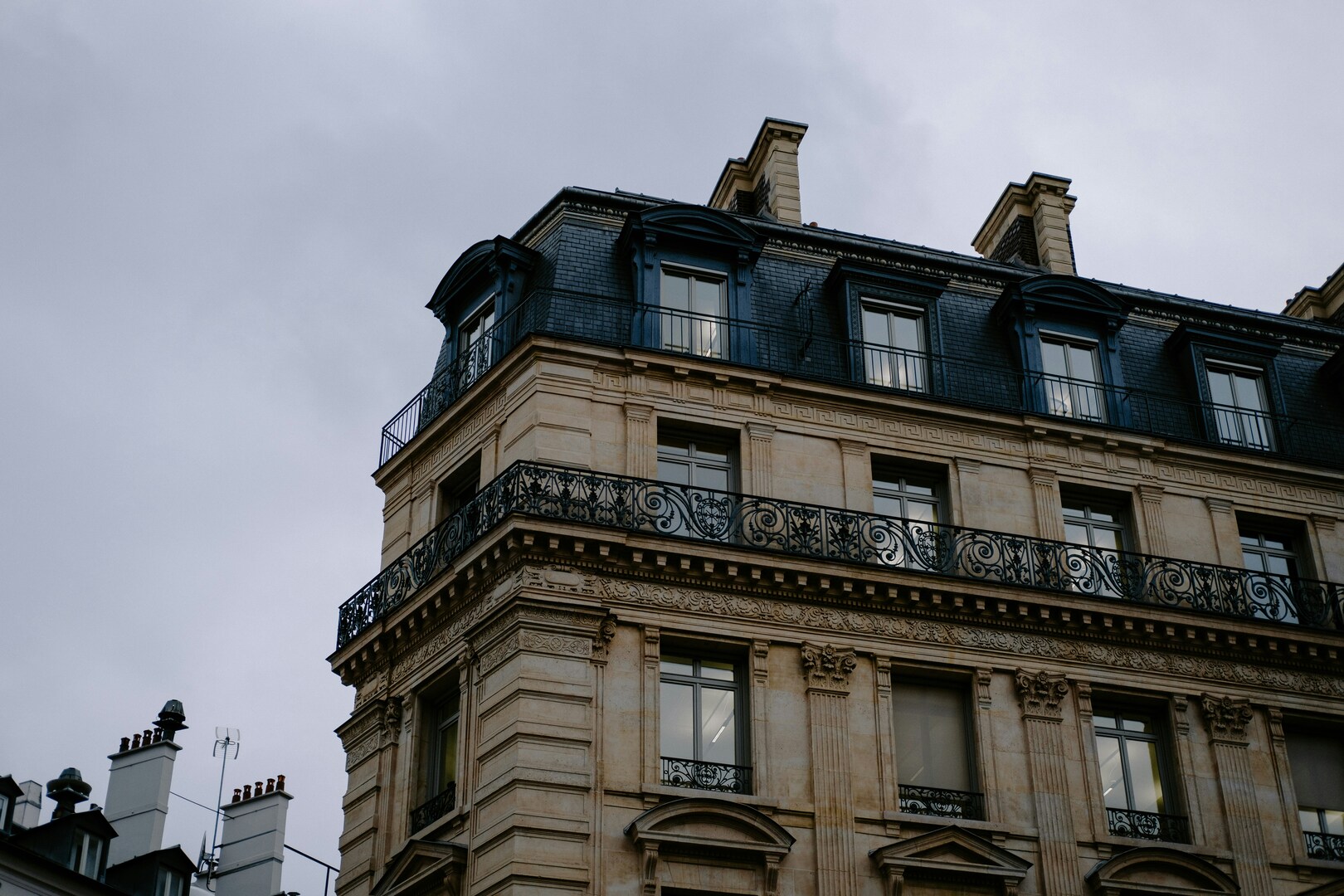
The avenue's original buildings reflected late 19th-century architectural tastes—ornate facades, wrought-iron balconies, and the eclectic mix of styles that characterized Lisbon's Belle Époque. Many of these structures have since been demolished, replaced by modern office buildings and hotels that reflect mid-20th-century architectural trends. One notable loss was the Barata Salgueiro Palace, inaugurated in 1902 and demolished in 1970 to make way for a bank headquarters—a pattern repeated across the avenue as commercial interests reshaped the streetscape.
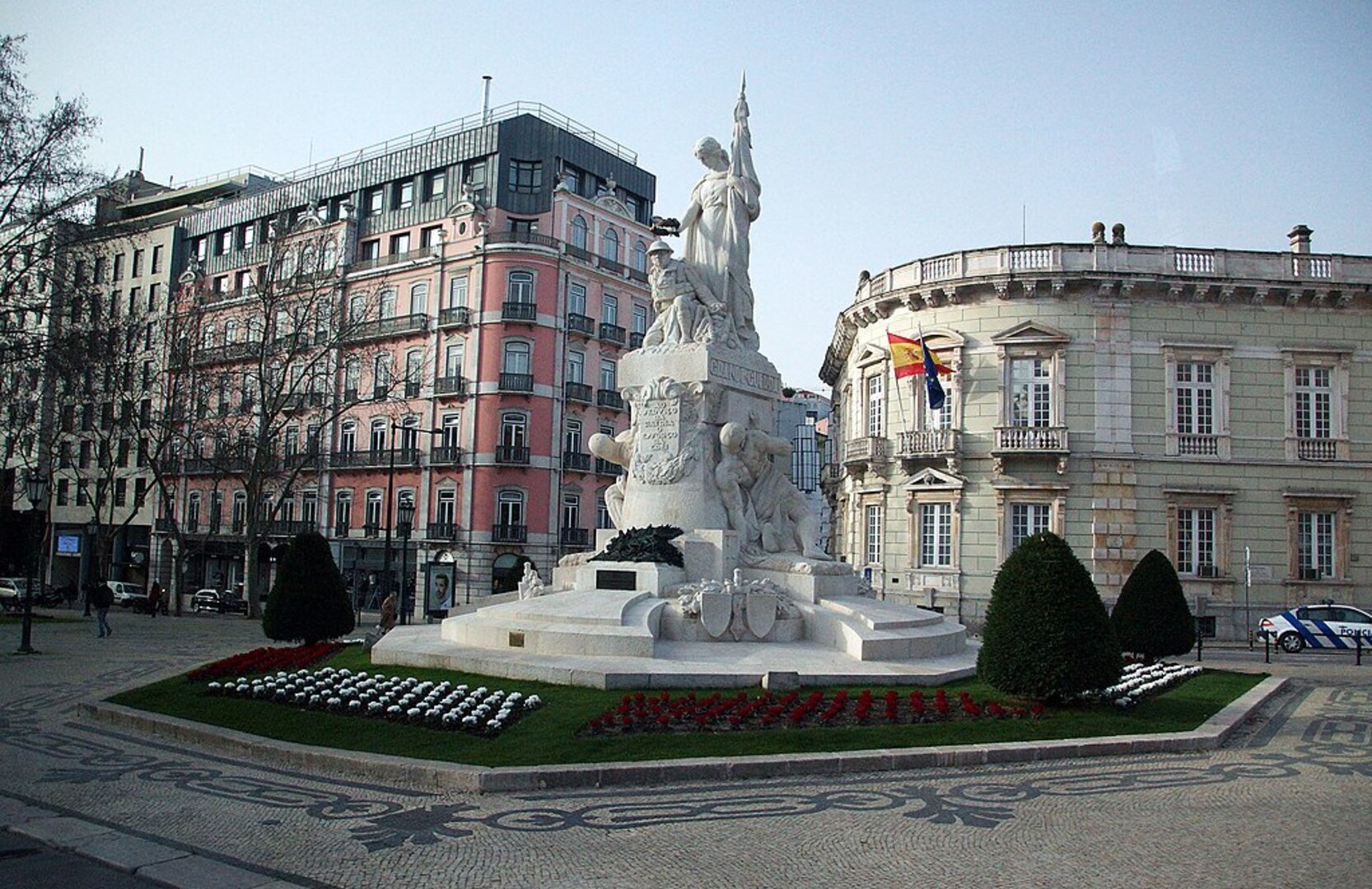
Despite these changes, the avenue retains its essential character through its monuments and public art. Statues honoring writers Almeida Garrett and Alexandre Herculano stand alongside tributes to musical composers, creating a cultural promenade that celebrates Portuguese arts. The Monument to the Fallen of the Great War, inaugurated on November 22, 1931, stands in front of the Spanish embassy, designed by architects Guilherme Rebelo de Andrade and Carlos Rebello de Andrade, with sculptures by Maximiano Alves. These monuments anchor the avenue in history, providing points of reflection amid the commercial activity.
The central gardens, with their geometric patterns of hedges and flower beds, offer shaded respite and visual continuity. The Tagus and Douro river statues, moved from the original Passeio Público, remain as allegorical markers of Portugal's geographic identity. Throughout the day, the avenue's character shifts—morning brings commuters and joggers, midday sees tourists and shoppers, evening transforms it into a social space where Lisboetas gather for drinks at outdoor cafés, the boulevard's width creating a sense of spaciousness that encourages lingering.
The Luxury Shopping Destination
Since the early 2000s, Avenida da Liberdade has evolved into one of Lisbon's premier luxury shopping destinations. This transformation began in 2004, when Louis Vuitton opened the first international luxury boutique on the avenue, signaling a shift in the city's commercial profile. Prada and Gucci followed in 2008, establishing a critical mass that attracted other global brands. Today, the avenue features flagship stores from Christian Dior, Cartier, and Burberry, alongside several luxury hotels and upscale cafés that cater to an international clientele.
The avenue's central location contributes significantly to its commercial success. It connects the historic Baixa district—with its grid-pattern streets rebuilt after the 1755 earthquake—to the Marquis of Pombal Square, gateway to the Avenidas Novas and Eduardo VII Park. Proximity to landmarks like the Chiado district, the Queen Maria II National Theatre, and the Rossio Square creates a natural flow of foot traffic, while the avenue's width and tree-lined promenades provide an elegant shopping environment that distinguishes it from narrower commercial streets.
Yet the avenue maintains a balance between exclusivity and accessibility. While luxury boutiques occupy prime storefronts, the central gardens remain public space, and the wide sidewalks accommodate everyone—from those window-shopping at Cartier to families pushing strollers, from businesspeople hurrying to meetings to tourists photographing monuments. This democratic quality, inherited from the Passeio Público's 1821 opening, ensures the avenue functions as both commercial showcase and public amenity.
Transportation Hub and Urban Connector
Avenida da Liberdade serves as a major transportation artery, with the Lisbon Metro's Blue Line running beneath its length. Multiple stations provide access—Marquês de Pombal at the northern end, Avenida at the midpoint, and Restauradores at the southern terminus. This underground infrastructure, combined with surface bus routes and tram lines, makes the avenue easily accessible from across Lisbon, while its role as a connector between neighborhoods ensures constant movement and vitality.
The avenue's width accommodates multiple modes of transportation—private vehicles, buses, and taxis share the roadways, while dedicated lanes for public transit prioritize efficiency. Pedestrian crossings are frequent and well-marked, allowing safe navigation despite the traffic volume. The Metro stations themselves have become landmarks, their entrances integrated into the streetscape in ways that respect the avenue's architectural character.
For visitors, the Metro provides the most convenient access. The Blue Line connects the avenue to key destinations—from the airport at one end to the historic center at the other. Emerging from the Avenida station places you directly on the boulevard, where the scale and elegance of the space become immediately apparent. The Metro's integration with the avenue demonstrates how modern infrastructure can enhance rather than diminish historic urban spaces.
Experiencing the Avenue
The best way to experience Avenida da Liberdade is on foot, allowing time to appreciate both its grand scale and intimate details. Start at the Marquis of Pombal Square, where the avenue begins, and walk south toward Restauradores Square. The journey takes approximately 15 minutes at a leisurely pace, but plan for longer if you intend to explore shops, monuments, or simply pause in the gardens.
Morning offers the most pleasant conditions—cooler temperatures, softer light filtering through the plane trees, and fewer crowds. The avenue's width creates natural shade, making it comfortable even during Lisbon's warmer months. Midday brings peak activity, with office workers, tourists, and shoppers creating a vibrant urban scene. Evening transforms the avenue into a social space, with outdoor cafés filling and the luxury boutiques' illuminated windows creating a sophisticated atmosphere.
Look beyond the storefronts to appreciate the avenue's architectural details—the mosaic pavements with their geometric patterns, the ornate lampposts, the fountains in the central gardens. Notice how the monuments create visual anchors, breaking the long perspective and providing points of interest. The Spanish embassy building, with the Monument to the Fallen of the Great War in front, offers a moment of historical reflection amid the commercial activity.
For a different perspective, consider the avenue from above. Several hotels along the route offer rooftop terraces or upper-floor restaurants with views over the boulevard. These elevated vantage points reveal the avenue's geometric precision—the symmetrical gardens, the alignment of trees, the relationship between the wide central promenade and the flanking traffic lanes. Such views underscore the intentional design that transformed a private park into a public statement of urban planning.
"Avenida da Liberdade represents Lisbon's ambition to stand among Europe's great capitals. It's a space where history, commerce, and daily life converge—a boulevard that belongs to everyone."
A Day Along the Grand Avenues
A morning might begin at the Marquis of Pombal Square, where the avenue originates. The monument to the Marquis, who oversaw Lisbon's reconstruction after the 1755 earthquake, provides context for understanding the city's urban planning. From here, walk south along Avenida da Liberdade, pausing to admire the luxury boutiques' window displays and the monuments in the central gardens. The avenue's width and tree cover make this a pleasant stroll even in warm weather.
Midway along the avenue, consider detouring into the side streets, where smaller shops and local restaurants offer a contrast to the international brands. The area around the Avenida Metro station contains several excellent cafés perfect for a coffee break. Return to the main boulevard and continue south toward Restauradores Square, where the avenue concludes. This square, with its obelisk commemorating Portuguese independence, marks the entrance to the Baixa district.
From Restauradores, the natural progression leads into the Baixa's grid-pattern streets, where you can explore the historic center rebuilt after the earthquake. Alternatively, head west toward the Chiado district, known for its bookshops, theaters, and traditional cafés. The Queen Maria II National Theatre, visible from the southern end of the avenue, offers evening performances for those seeking cultural experiences.
For a full day exploring Lisbon's grand avenues, combine Avenida da Liberdade with Avenida Fontes Pereira de Melo, which extends north from the Marquis of Pombal Square. This broader exploration reveals how 19th-century urban planning shaped modern Lisbon, connecting historic districts with newer neighborhoods through these grand boulevards. The Metro's Blue Line facilitates easy movement between these areas, making it possible to cover significant ground while maintaining a relaxed pace.
Experience This Attraction With Our Tours
One Journey's Lisbon's Grand Avenues Tour makes Avenida da Liberdade central to an immersive exploration of the city's elegant boulevards and squares. This walking tour begins at Campo Pequeno, where you'll gain exclusive behind-the-scenes access to the historic bullring, then uses the Metro to connect to key locations along the grand avenues.
The tour includes a curated stroll down Avenida da Liberdade, with private stops at exclusive boutiques and a hidden wine bar for a tasting experience that reveals the avenue's sophisticated side. Your guide shares insights about the boulevard's transformation from the Passeio Público to its current status as a luxury shopping destination, while pointing out architectural details and monuments that many visitors miss. The tour also explores Avenida Fontes Pereira de Melo and the Marquis de Pombal Monument, providing context for understanding Lisbon's post-earthquake urban planning.
What distinguishes this experience is its integration of cultural elements—a live Fado performance at Praça dos Restauradores, gourmet tastings at traditional pastry shops and coffee roasters, and the Metro experience that teaches you to navigate like a local. The tour recognizes that Avenida da Liberdade is more than a shopping street; it's a cultural corridor that tells the story of Lisbon's evolution from earthquake recovery to modern European capital. By the time you reach Rossio Square at the tour's conclusion, you'll have gained not just knowledge of the avenue's history, but practical skills for exploring Lisbon independently.
Is It Worth Visiting?
Absolutely. Avenida da Liberdade offers something for every visitor, whether you're interested in luxury shopping, architectural history, urban planning, or simply experiencing one of Lisbon's most elegant public spaces. The avenue's scale and beauty make it worth visiting even if you have no intention of shopping—the tree-lined promenades, monuments, and gardens create a pleasant environment for strolling, people-watching, or finding shade on a hot day.
For those interested in Lisbon's history, the avenue provides a tangible connection to the city's 19th-century transformation and its relationship with European urban planning movements. The monuments and architectural details reward close observation, while the avenue's role as a connector between neighborhoods makes it a natural part of any walking exploration of central Lisbon. Whether you spend 15 minutes walking its length or several hours exploring shops and cafés, Avenida da Liberdade represents a quintessential Lisbon experience—elegant, accessible, and deeply integrated into the city's daily life.
Traveler's Questions
How long does it take to walk Avenida da Liberdade?
The avenue stretches 1,100 meters (approximately 0.7 miles) from the Marquis of Pombal Square to Restauradores Square. A direct walk takes about 15 minutes, but plan for 30–60 minutes if you want to explore shops, admire monuments, or pause in the gardens. The avenue's width and tree cover make it comfortable for strolling even during warm weather.
What are the best times to visit?
Morning offers the most pleasant conditions—cooler temperatures, softer light, and fewer crowds. The avenue's trees provide natural shade throughout the day. Evening brings a sophisticated atmosphere with illuminated shop windows and outdoor cafés filling with locals. Avoid peak midday heat during summer months if you're sensitive to sun exposure.
How do I get to Avenida da Liberdade?
The Lisbon Metro's Blue Line serves the avenue with three stations: Marquês de Pombal at the northern end, Avenida at the midpoint, and Restauradores at the southern terminus. Multiple bus routes also run along the avenue. If you're already in the Baixa district, it's an easy walk north to Restauradores Square, where the avenue begins.
Are there restaurants or cafés along the avenue?
Yes, the avenue features several upscale cafés and restaurants, particularly in hotels along the route. The side streets branching off the avenue contain additional dining options, from traditional Portuguese restaurants to international cuisine. For a more local experience, explore the streets around the Avenida Metro station, where you'll find excellent coffee shops and casual eateries.
Is the avenue accessible for people with mobility challenges?
The avenue's wide sidewalks and relatively flat terrain make it generally accessible, though some monuments in the central gardens may have steps. Metro stations along the route have varying levels of accessibility—check the Metro's accessibility information for specific station details. The avenue's width allows for comfortable navigation with mobility devices, and benches in the gardens provide resting points.
For guided tours of Avenida da Liberdade and Lisbon's grand boulevards, including exclusive access and cultural experiences, contact our Tour Concierge at support@onejourneytours.com.