The Marché aux Puces de Saint-Ouen: Paris's Legendary Treasure Hunt
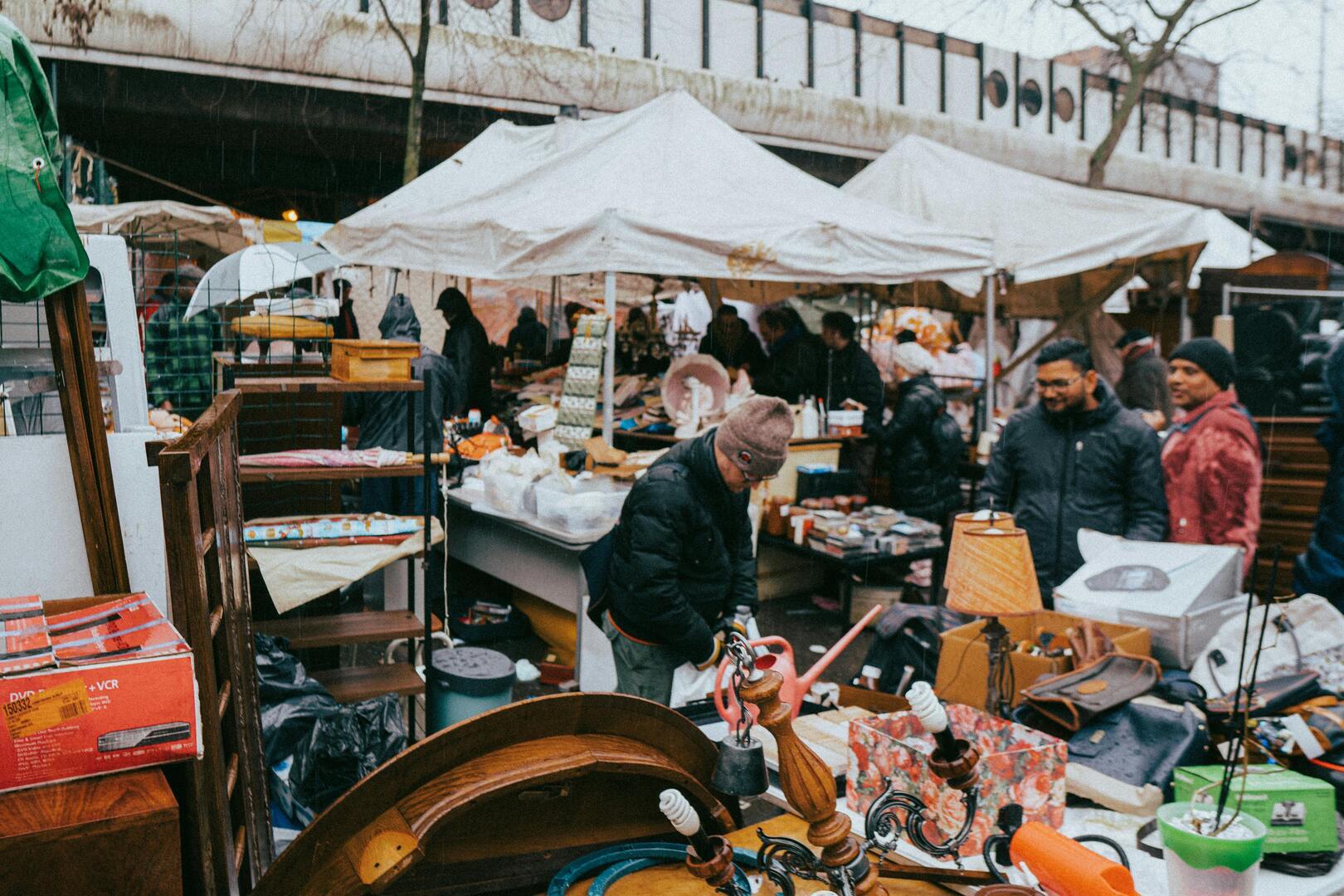
At the northern edge of Paris, where the city's elegant boulevards give way to a grittier, more lived-in landscape, lies a world that defies easy categorization. The Marché aux Puces de Saint-Ouen—the Saint-Ouen Flea Market—sprawls across seven hectares in the Seine-Saint-Denis commune, a labyrinth of over 2,000 vendors offering everything from museum-worthy 18th-century armoires to vintage Hermès scarves to dusty postcards from the Belle Époque. This is not a market in the conventional sense, with orderly rows and clear signage, but rather a village unto itself: fourteen distinct markets woven together through narrow alleys, covered passages, and open-air courtyards, each with its own character, clientele, and unspoken rules of engagement.
The experience of Saint-Ouen rewards patience and curiosity in equal measure. Here, a casual browse through seemingly ordinary stalls can yield a signed first edition, a 1920s cocktail shaker from the Ritz Bar, or a velvet opera cloak that once swept through Palais Garnier. Interior designers from London, New York, and Tokyo make regular pilgrimages, hunting for the perfect chandelier or mid-century Italian lamp. Parisian dealers come to source inventory for their boutiques in Le Marais. And tourists stumble in from the Métro, guidebooks in hand, unsure what they're seeking but certain they'll recognize it when they find it. The market operates on its own logic—part commercial enterprise, part theatrical performance, part archaeological dig through the material culture of French life spanning three centuries.
From Ragpickers to Antique Dealers: The Evolution of Les Puces
The origin story of Saint-Ouen reads like something from a Victor Hugo novel. In the 1870s, as Baron Haussmann's grand boulevards reshaped Paris into the elegant city we recognize today, the poor were systematically pushed to the margins. Among them were the chiffonniers—ragpickers who made their living scavenging discarded items from Parisian rubbish. Driven beyond the city's fortifications at Porte de Clignancourt, these scavengers established an informal market where they sold their finds to anyone willing to bargain. The name marché aux puces—flea market—emerged from the condition of the secondhand mattresses, clothing, and upholstered furniture they sold, items that often harbored the tiny parasites.
By 1885, the market had grown substantial enough that the city of Saint-Ouen began requiring permits from vendors, marking the official birth of Les Puces. What started as necessity—the poor selling to the slightly less poor—gradually transformed as dealers recognized that Parisians' castoffs sometimes included valuable items. Art Nouveau furniture discarded as old-fashioned in the 1920s became sought-after antiques by the 1950s. Grandmother's silver, sold off during hard times, reappeared in dealer stalls at multiples of its original price. The transition from junk market to antique destination accelerated in the post-war decades as international collectors discovered that Paris's flea market held treasures unavailable anywhere else.
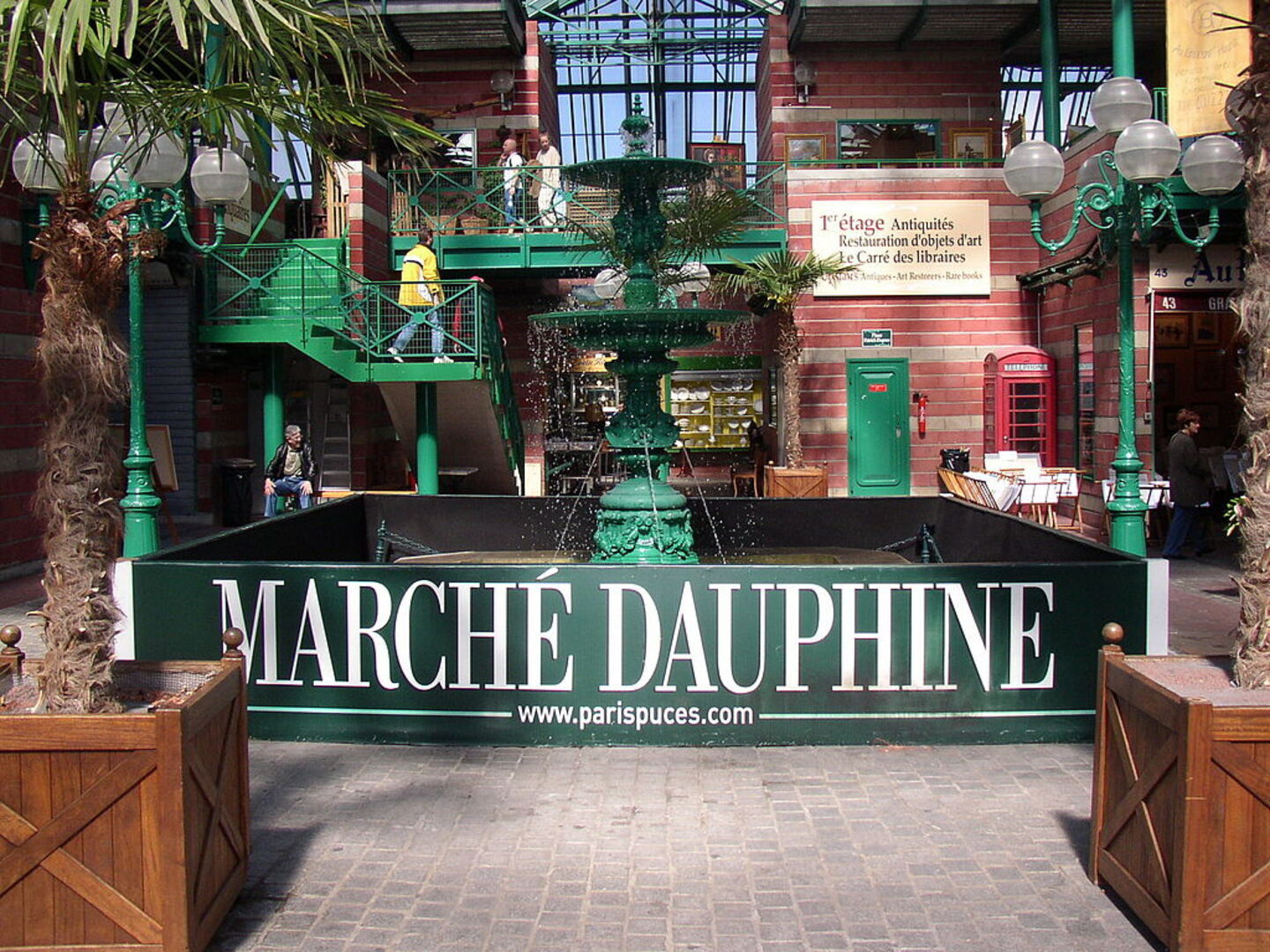
Today's Saint-Ouen bears little resemblance to its ragpicker origins, though traces remain. The Marché Vernaison, established in 1920 and the oldest permanent market structure, maintains something of the original spirit—narrow, winding alleys where vendors display their wares with minimal pretense. By contrast, Marché Biron, which opened in 1925, transformed the concept entirely: climate-controlled galleries with museumquality pieces and price tags to match. Between these extremes lie a dozen other markets, each carved out its niche. Marché Dauphine, housed in a former industrial building, specializes in mid-century modern furniture and vintage fashion. Marché Serpette offers Art Deco and Art Nouveau. Marché Paul Bert attracts the design trade with high-turnover inventory priced for resale.
The Fourteen Markets of Saint-Ouen
The flea market comprises distinct zones, each with its own atmosphere and specialties. Major markets include Vernaison (the oldest, eclectic mix), Dauphine (mid-century modern, vintage clothing), Biron (high-end antiques, fine art), Serpette (Art Deco, designer furniture), Paul Bert (professional dealers, decorative arts), and Malik (affordable vintage, African art). Navigate with patience—the layout is deliberately confusing, encouraging discovery.
By the Numbers: A Market of Staggering Scale
Seven hectares. Over 2,000 vendors. Fourteen distinct markets. Five million annual visitors. These statistics hint at Saint-Ouen's scope, but numbers alone fail to capture the experience of navigating this commercial maze. The market operates every weekend of the year—Fridays from 10:00 a.m. to 1:00 p.m., Saturdays and Sundays from 10:00 a.m. to 6:00 p.m., and Mondays from 11:00 a.m. to 5:00 p.m.—drawing an international clientele that ranges from billionaire collectors to art students hunting affordable vintage.
The inventory is equally varied. Marché Biron alone houses some 200 dealers specializing in museum-quality pieces: Louis XV commodes with marble tops and ormolu mounts, 17th-century tapestries depicting mythological scenes, grandfather clocks with mechanisms still keeping perfect time after three centuries. A single stall might offer a dozen oil paintings, any one of which could be a minor work by a known artist or a major work by an unknown one. Authentication is part art, part science, and entirely the buyer's responsibility—expertise or trusted dealers become essential when sums reach five or six figures.
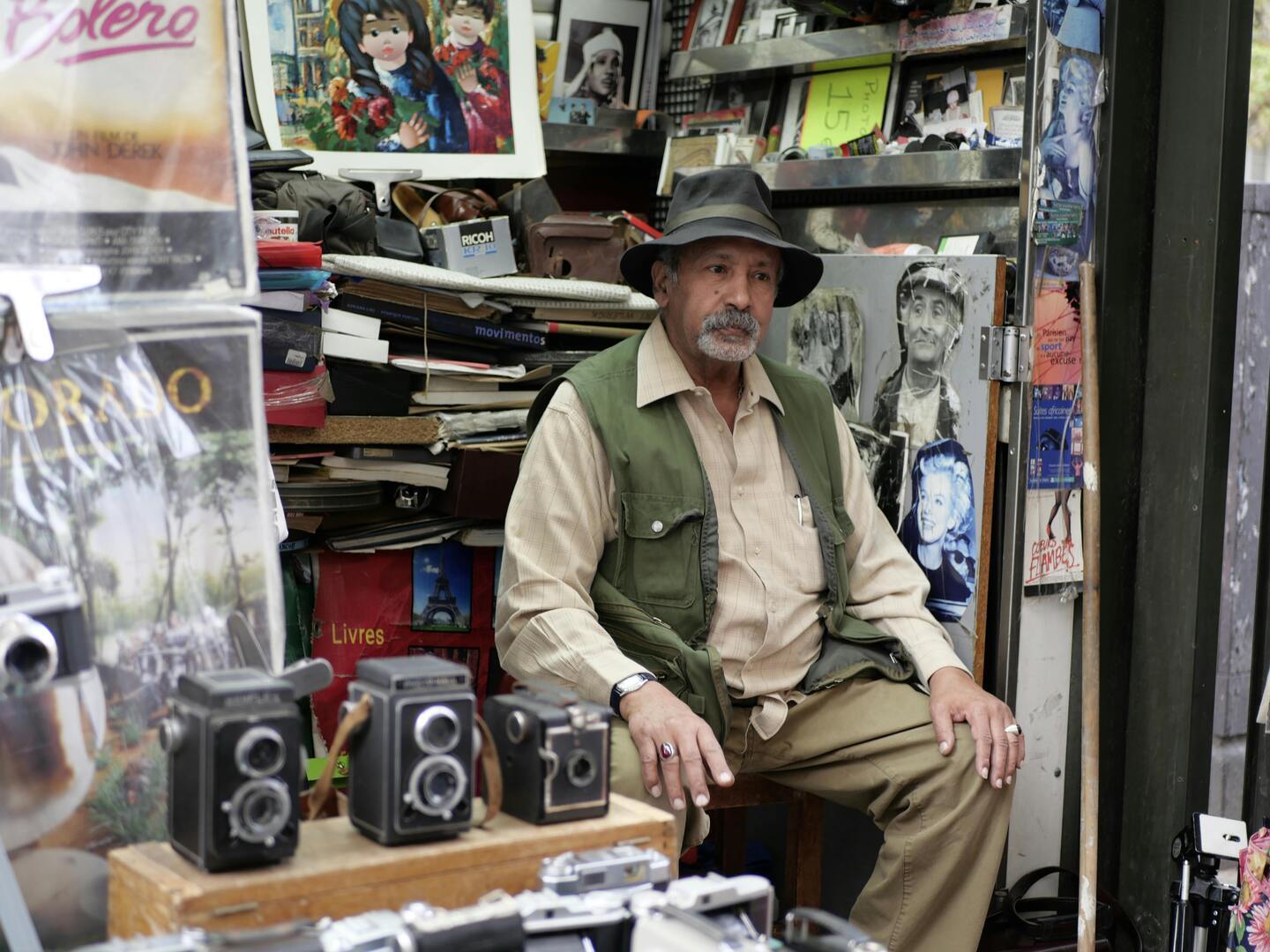
At the other end of the spectrum, markets like Malik and Jules Vallès cater to budget-conscious browsers. Here, €20 might buy a stack of vintage postcards, a brass candlestick, or a wool sweater from the 1970s. The thrill of discovery remains constant regardless of price point: uncovering a Hermès scarf mixed in with generic silk squares, spotting a first edition mistakenly shelved among book-club volumes, recognizing a piece of Quimper pottery in a box of mismatched dishes. Every vendor has stories of customers who found treasures they'd been seeking for years, or stumbled upon items they didn't know existed but immediately needed to own.
The market's cultural impact extends beyond commerce. Fashion designers scout vintage clothing for inspiration—Coco Chanel herself reportedly frequented Les Puces in the 1920s. Film and theater productions source period-appropriate props and costumes. Museums quietly acquire pieces to fill gaps in their collections. And countless Parisian apartments are furnished with Saint-Ouen finds, from the Art Deco credenza in the dining room to the Belle Époque chandelier hanging in the foyer. The flea market functions as a kind of distributed museum, with private collectors serving as temporary custodians of objects that circulate through the market's ecosystem across generations.
Modern Renaissance: Saint-Ouen in the 21st Century
The past two decades have brought significant evolution to Les Puces. Rising Paris real estate prices pushed younger dealers and artists toward Saint-Ouen, injecting fresh energy into what some feared was becoming a museum of the past. Marché Dauphine, renovated in the 1990s, became a hub for mid-century modern furniture and vintage fashion, attracting a younger, style-conscious clientele. Instagram transformed the market's visibility—suddenly, dealers who'd operated in relative obscurity found themselves featured in international design magazines and approached by celebrities furnishing Parisian apartments.
The neighborhood surrounding the market has transformed as well. What was once a gritty, somewhat sketchy area now hosts trendy cafés, bistros, and concept stores. La Recyclerie, a converted rail station at Porte de Clignancourt, became a cultural center and restaurant embodying the neighborhood's new identity—industrial chic meets environmental consciousness. The arrival of designer Simon Porte Jacquemus, who opened a boutique near the market in 2024, signaled Les Puces' full rehabilitation as a destination for fashion and design cognoscenti.
Recent years have also seen efforts to make the market more accessible and welcoming. The official website now features online catalogs where vendors can showcase inventory, helping serious buyers preview before visiting. English-speaking guides offer tours that decode the market's complexities for international visitors. And the annual Flea Festival, typically held in September, transforms select markets into evening destinations with live music, food trucks, and extended hours—an attempt to reach beyond the traditional antique-hunting crowd to younger Parisians and tourists seeking cultural experiences rather than specific purchases.
Yet challenges persist. The rise of online antique dealing has affected foot traffic, as buyers who once made pilgrimages to Saint-Ouen now scroll through dealer websites from home. Gentrification pressures threaten the market's diversity—rising rents push out smaller dealers and vendors of more affordable goods, potentially transforming Les Puces into an exclusively high-end destination. And the COVID-19 pandemic's impact on tourism and retail created difficulties for many long-established dealers. The market's future depends on balancing preservation of its unique character with adaptation to contemporary commerce and culture—a tension that has defined Les Puces since its ragpicker origins.
"Saint-Ouen is where Paris's past becomes negotiable. Everything has a price, but everything also has a story, and sometimes the story matters more than the object itself."
The Art of the Hunt: How to Navigate Saint-Ouen
Approaching Saint-Ouen requires strategy. The market's sheer size and labyrinthine layout can overwhelm first-time visitors who arrive unprepared. Start by accepting that you cannot see everything in a single visit—attempting to do so guarantees exhaustion and diminished returns. Instead, choose two or three markets that align with your interests and budget. Serious antique collectors might focus on Biron and Serpette. Vintage fashion enthusiasts should prioritize Dauphine and Vernaison. Those seeking affordable treasures will find better luck at Malik and Paul Bert.
Timing matters. Saturdays draw the largest crowds—dealers, decorators, and tourists all converging simultaneously. Sundays remain busy but slightly more manageable. Monday attracts the fewest visitors but also sees some stalls closed. Friday mornings, when the market operates abbreviated hours, offer the quietest experience, though selection is limited. Arrive early—by 10:30 a.m. at latest—to beat the afternoon surge and secure the attention of dealers before they're overwhelmed by browsers. Wear comfortable shoes and dress in layers; the covered markets can be stuffy, while outdoor alleys catch winter wind.
The culture of negotiation permeates Saint-Ouen, though rules vary by market and vendor. In high-end galleries like Biron, prices are often firm, especially for documented pieces. In more informal markets, gentle negotiation is expected—but approach with respect, not aggressive haggling. A reasonable opening might be 10-20% below the asking price, depending on the item's cost and the vendor's demeanor. Cash provides leverage, as dealers prefer to avoid credit card fees. Don't photograph items without asking permission. And remember that dealers are often experts in their specialties; engaging them in conversation can yield insights worth more than a modest discount.
For purchases requiring international shipping, many dealers have arrangements with transportation companies specializing in antiques. These services aren't cheap—shipping a large armoire to New York might cost as much as the piece itself—but they handle customs, insurance, and logistics. Smaller items pose fewer challenges: that vintage Hermès scarf fits in carry-on luggage; the pair of Art Deco candlesticks wraps easily. Know your country's customs regulations and duty thresholds before making significant purchases. And keep all receipts and documentation; provenance matters both for future resale and for establishing authenticity should questions arise.
A Day Among the Treasures: Planning Your Visit
An ideal Saint-Ouen visit begins not at the market itself but at La Recyclerie, the cultural center and café housed in a converted train station at Porte de Clignancourt. Arrive by 10:00 a.m., grab an espresso, and use the time to strategize your approach. Study a market map—available at the tourist office near the entrance or online—and identify your priorities. The neighborhood itself tells part of the story: this was once notorious Apache gang territory in the early 1900s, a no-man's-land between Paris proper and its suburbs. Understanding that context adds dimension to the market's evolution from marginal bazaar to international destination.
Enter through Marché Vernaison, the oldest section, where narrow alleys lined with eclectic stalls offer immediate sensory overload. Resist the urge to buy anything yet—spend the first hour simply observing, getting your bearings, noting items that catch your eye. Move through to Marché Dauphine, pausing to browse the vintage clothing vendors on the upper level. This covered market feels more polished, with better lighting and organization, making it easier to spot quality pieces among the volume. If mid-century modern furniture interests you, allocate significant time here; the selection of Danish teak, Italian lighting, and French industrial design rivals specialized dealers anywhere.
By noon, retreat to one of the small restaurants scattered through the markets. Le Paul Bert, located within Marché Paul Bert, serves classic bistro fare—steak frites, confit de canard, tarte tatin—in an atmosphere thick with market lore. Over lunch, dealers conduct business, making deals on phones while their shops remain staffed. This is the market's social heart, where you'll overhear conversations mixing French, English, Italian, and Japanese, all negotiating the universal language of objects and their values.
Afternoon should focus on Marché Biron if you appreciate museum-quality antiques, or Marché Serpette for Art Deco and Art Nouveau. By 3:00 p.m., vendors have relaxed slightly—the morning's intensity has passed, and they're more inclined toward conversation. This is prime time to engage dealers about pieces you noticed earlier, ask for provenance, negotiate pricing. If you've purchased items too large to carry, arrange for the dealer to hold them while you continue exploring; most will store purchases until closing time, and many can facilitate shipping.
As 5:00 p.m. approaches and the market begins winding down, collect your purchases and exit through the Marché Malik side, perhaps picking up one final affordable treasure—a vintage poster, a box of antique buttons, postcards depicting 1920s Paris. The Métro station at Porte de Clignancourt returns you to central Paris in twenty minutes, but consider lingering in the newly gentrified neighborhood for dinner. Restaurants along Rue des Rosiers in Saint-Ouen offer contemporary cuisine in renovated industrial spaces, providing a final taste of the area's ongoing transformation from flea market fringe to destination in its own right.
Experience This Attraction With Our Tours
While independent exploration of Saint-Ouen offers freedom and serendipity, a guided experience transforms the market from overwhelming bazaar into navigable treasure map. One Journey's Saint-Ouen Flea Market Walking Tour provides exactly this advantage: expert navigation through the market's complexities, direct access to trusted vendors, and insider knowledge that takes years to acquire independently.
The 1.5-hour tour begins at La Recyclerie, where your guide—a vintage specialist with deep connections throughout the market—introduces the neighborhood's colorful history. From Apache gangs to antique dealers, from ragpickers to international design arbiters, the transformation of Saint-Ouen mirrors broader Paris evolution from 19th-century industrial fringe to 21st-century cultural destination. This context enriches everything that follows, helping you understand not just what you're seeing but why it matters.
Your guide leads you through carefully selected markets—Vernaison's eclectic alleys, Dauphine's vintage fashion galleries, Biron's museum-quality pieces—explaining how to identify authentic period items, navigate pricing structures, and recognize quality craftsmanship. You'll meet dealers who've occupied the same stalls for decades, hear stories about remarkable finds and famous customers, and learn the unwritten rules that govern market transactions. The tour emphasizes education over pressure; guides share their expertise freely, whether you're seriously shopping or simply curious.
Tours run Monday, Saturday, and Sunday at 10:30 a.m. and 1:00 p.m., timed to catch markets at optimal moments—early enough to secure dealers' attention, late enough that everything is open. The €29 per adult cost includes expert guidance and insider shopping strategies that can easily save multiples of that amount on a single purchase through better negotiation or avoided mistakes. Small group size ensures personalized attention, allowing questions tailored to your specific interests. After the guided portion concludes, you're free to continue exploring independently, now equipped with knowledge and confidence that transforms browsing from random wandering into purposeful hunting.
Is It Worth Visiting?
Unequivocally yes—but with important caveats about what constitutes "worth." If you're seeking Parisian perfection in the form of manicured gardens and pristine monuments, Saint-Ouen will disappoint. The market is gritty, chaotic, occasionally frustrating, and demands patience that not every traveler possesses. You'll navigate confusing layouts, encounter dealers ranging from charming to brusque, and possibly leave empty-handed after hours of searching. The neighborhood, despite gentrification, retains rough edges. Street vendors selling knock-off handbags cluster near the metro, and the transition from tourist Paris to immigrant suburbs is abrupt and visible.
But for those who appreciate the thrill of discovery, who find beauty in objects worn by time and use, who enjoy the game of negotiation and the stories embedded in material culture, Saint-Ouen offers rewards unavailable anywhere else. This is where you find the lamp that will define your living room, the vintage Chanel jacket that fits like it was made for you, the first edition that's been missing from your collection. It's where you stumble upon a Belle Époque advertising poster that captures an era's optimism, or a set of Art Deco champagne coupes that make every celebration feel more elegant. The market rewards curiosity, knowledge, and persistence—qualities that themselves make the experience valuable even when you purchase nothing.
Saint-Ouen works beautifully for design professionals, antique collectors, and vintage fashion enthusiasts who understand what they're seeking and can recognize quality when they find it. It also suits curious travelers who enjoy markets, appreciate history, and want to experience a side of Paris that exists far from Eiffel Tower selfie lines. The market is less ideal for those with limited time, mobility challenges (many areas are not wheelchair accessible), or expectations of guaranteed discoveries. Like all great treasure hunts, Saint-Ouen promises possibility, not certainty. But that possibility—the chance that around the next corner lies something extraordinary—is precisely what keeps five million visitors returning year after year.
Traveler's Questions
When is Saint-Ouen Flea Market open?
The Marché aux Puces de Saint-Ouen operates every weekend throughout the year. Friday hours are 10:00 a.m. to 1:00 p.m., Saturday and Sunday from 10:00 a.m. to 6:00 p.m., and Monday from 11:00 a.m. to 5:00 p.m. Individual vendors may keep slightly different hours, with some opening earlier or closing later depending on the season and day of the week. The market is busiest on Saturdays, moderately crowded on Sundays, and quietest on Mondays and Friday mornings. Serious collectors often visit on Fridays to get first access to newly arrived inventory. The market operates year-round, including holidays, though some individual stalls may close during August or major French holidays. [Source: pucesdeparissaintouen.com](https://www.pucesdeparissaintouen.com/en/)
How do I get to Saint-Ouen from central Paris?
The easiest access is via Métro Line 4 to Porte de Clignancourt station (about 20 minutes from central Paris). Exit the metro and walk north, following signs for "Les Puces" or simply following the crowds on weekend mornings. Line 13 also serves the area via the Garibaldi stop. Line 14, Paris's newest metro line, stops at Saint-Ouen, providing another convenient option. Alternatively, bus line 85 stops at "Marché aux Puces," and tramway T3b serves Porte de Clignancourt. Once you arrive at Porte de Clignancourt, be aware that you'll pass through an area with street vendors selling cheap goods—keep walking straight ahead to reach the official markets. The walk from the metro to the main markets takes about 5-10 minutes. [Source: pucesdeparissaintouen.com](https://www.pucesdeparissaintouen.com/en/)
Can you negotiate prices at Saint-Ouen?
Yes, negotiation is generally expected and accepted, though the degree varies by market and item. In higher-end markets like Biron, prices for documented antiques are often firm or have limited flexibility. In more casual markets like Vernaison or Malik, gentle negotiation is standard. A reasonable approach is to ask politely if there's any flexibility on price—something like "Is that your best price?" or "Would you consider €X?" Offering to pay cash often provides leverage, as dealers prefer to avoid credit card fees. Buying multiple items from the same vendor increases negotiating power. However, don't approach negotiation aggressively or disrespectfully; vendors are knowledgeable professionals who price according to condition, rarity, and market values. Expect 10-20% off asking prices in markets where negotiation is customary, though this varies significantly.
What should I bring to Saint-Ouen Flea Market?
Bring cash—many vendors, particularly those dealing in higher-value items, prefer cash and may offer better prices for cash transactions. While more vendors now accept cards than in the past, cash remains king. Wear comfortable walking shoes, as you'll cover several miles navigating the markets. Dress in layers, as covered markets can be warm while outdoor sections are subject to weather. A large bag or small rolling suitcase helps carry purchases (though watch for pickpockets). A smartphone with camera is useful for documenting items you're considering or want to research later. Bring basic French phrases or a translation app, though many dealers speak English. A small tape measure can be helpful if you're shopping for furniture with specific size requirements. And bring patience—successful treasure hunting at Saint-Ouen requires time and persistence.
Is the Saint-Ouen Flea Market safe?
Yes, the market itself is generally safe, though standard urban precautions apply. The immediate area around Porte de Clignancourt metro can feel hectic, with aggressive street vendors, but this zone is well-traveled and monitored. Within the official markets, safety concerns are minimal—thousands of visitors browse weekly without incident. However, pickpocketing can occur in crowded areas, so keep valuables secure and be aware of your surroundings. Avoid displaying large amounts of cash. The neighborhood has gentrified significantly in recent years, and daytime visits pose no particular risks. Solo travelers, including women, regularly visit without problems. Evening hours and the surrounding neighborhood outside market areas may feel less comfortable, though crime rates are not exceptionally high. Use common sense, travel in daylight hours when markets are open, and stick to well-trafficked areas. According to [Britannica](https://www.britannica.com/place/Saint-Ouen), Saint-Ouen is a northern industrial suburb with a population of around 47,000.
For guided Saint-Ouen Flea Market tours, vintage shopping experiences, and personalized antique hunting itineraries, contact our Tour Concierge at support@onejourneytours.com.