Paris Flea Market Tours: Complete Guide to Marché aux Puces Shopping
Navigating the Marché aux Puces de Saint-Ouen—the world's most famous flea market—can feel like entering a labyrinth where every turn reveals new possibilities. With over 2,000 vendors spread across fourteen distinct markets, seven hectares of winding alleys, and inventory spanning three centuries of French material culture, the experience rewards preparation and strategy. For many visitors, a guided tour transforms this overwhelming bazaar into a navigable treasure map, providing not just direction but the insider knowledge that separates successful shopping from aimless wandering. Whether you're hunting museum-quality antiques, vintage fashion, or simply seeking the thrill of discovery, understanding how to approach Les Puces makes all the difference.
Why Take a Guided Tour of Les Puces
The Marché aux Puces de Saint-Ouen operates on its own logic—part commercial enterprise, part theatrical performance, part archaeological dig through French material culture. For first-time visitors, the market's scale and complexity can overwhelm. Fourteen distinct markets, each with its own character and specialties, weave through narrow alleys and covered passages. Without guidance, you might spend hours in areas that don't match your interests, miss hidden gems, or struggle to understand pricing structures that vary dramatically between markets.
A guided tour provides structure and expertise. Knowledgeable local guides understand the market's history, know which vendors specialize in what categories, and can help you navigate the delicate art of negotiation. They've built relationships with dealers over years, sometimes securing access to items not yet displayed or receiving preferential treatment for their groups. More importantly, they transform shopping from random browsing into purposeful hunting, teaching you to recognize quality, understand provenance, and avoid common pitfalls.
Tours typically last 1.5 to 3.5 hours, depending on the experience level. Most begin with historical context—the market's evolution from 1870s ragpicker territory to international antique destination—then move through carefully selected markets that match participants' interests. Guides share stories about remarkable finds, explain authentication techniques, and demonstrate negotiation strategies. The best tours balance education with practical shopping assistance, leaving you equipped to continue exploring independently after the guided portion concludes.
Understanding the Market's Structure
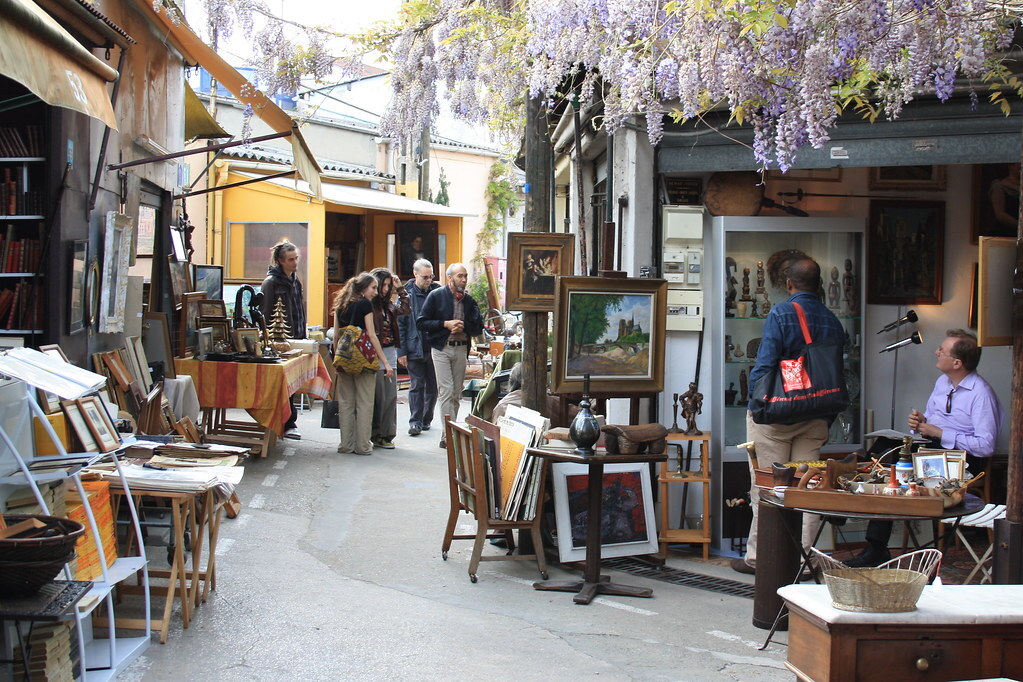
The Marché aux Puces isn't a single market but rather a collection of fourteen distinct markets, each with its own atmosphere, specialties, and pricing structures. Marché Vernaison, established in 1920, remains the oldest permanent structure—narrow, winding alleys where vendors display eclectic mixes with minimal pretense. Marché Biron, by contrast, houses high-end galleries with museum-quality pieces and climate-controlled environments. Marché Dauphine specializes in mid-century modern furniture and vintage fashion, while Marché Serpette focuses on Art Deco and Art Nouveau. Marché Paul Bert attracts professional dealers with high-turnover inventory priced for resale.
Understanding these distinctions matters when shopping. A Louis XV commode in Biron might command €15,000 with full documentation, while a similar piece in Vernaison could be €3,000 without papers—the difference reflecting authentication, condition, and dealer reputation. Vintage clothing in Dauphine tends toward curated, designer pieces, while Malik offers more affordable, mixed-quality selections. A tour guide helps you navigate these nuances, directing you to markets that match your budget and interests while explaining why prices vary so dramatically between seemingly similar items.
Shopping Strategies and Negotiation Tips
Successful shopping at Les Puces requires strategy beyond simply showing up. Timing matters: Saturdays draw the largest crowds, while Friday mornings offer quieter experiences with limited selection. Arrive early—by 10:30 a.m. at latest—to secure dealers' attention before they're overwhelmed. Wear comfortable shoes and dress in layers; covered markets can be stuffy while outdoor alleys catch winter wind.
Negotiation culture varies by market. In high-end galleries like Biron, prices for documented pieces are often firm. In more informal markets like Vernaison or Malik, gentle negotiation is expected—but approach with respect, not aggressive haggling. A reasonable opening might be 10-20% below asking price, depending on the item's cost and vendor's demeanor. Cash provides leverage, as dealers prefer to avoid credit card fees. Don't photograph items without asking permission. And remember that dealers are often experts in their specialties; engaging them in conversation can yield insights worth more than a modest discount.
For purchases requiring international shipping, many dealers have arrangements with transportation companies specializing in antiques. These services handle customs, insurance, and logistics, though costs can be substantial—shipping a large armoire to New York might cost as much as the piece itself. Smaller items pose fewer challenges: vintage Hermès scarves fit in carry-on luggage; Art Deco candlesticks wrap easily. Know your country's customs regulations and duty thresholds before making significant purchases, and keep all receipts and documentation for future resale and authenticity verification.
"The best finds at Les Puces aren't always the most expensive—they're the pieces that speak to you, that fit your space perfectly, that carry stories you want to continue."
What to Look For: Categories and Specialties
The market's inventory spans extraordinary breadth. Furniture ranges from 18th-century armoires with marble tops and ormolu mounts to mid-century Danish teak to industrial French design. Art includes oil paintings that might be minor works by known artists or major works by unknown ones—authentication becomes essential when sums reach five or six figures. Vintage fashion encompasses everything from 1920s cocktail dresses to 1970s Yves Saint Laurent jackets to Hermès scarves mixed among generic silk squares.
Collectibles include first editions mistakenly shelved among book-club volumes, vintage postcards from the Belle Époque, Art Deco jewelry, Quimper pottery, and period-appropriate props for film and theater productions. The thrill of discovery remains constant regardless of price point: uncovering a signed first edition, spotting a piece of museum-quality furniture in a casual stall, recognizing authentic period details that distinguish valuable items from reproductions.
A tour guide helps you understand what you're seeing. They explain how to identify authentic period items, recognize quality craftsmanship, and distinguish between valuable antiques and clever reproductions. They share stories about remarkable finds—the Louis XV commode discovered under layers of paint, the first edition found in a box of paperbacks, the vintage Chanel jacket that fit perfectly and cost a fraction of retail. These narratives transform shopping from transactional to experiential, connecting you to the market's rich history of discovery and preservation.
Planning Your Visit: A Day at Les Puces
An ideal Saint-Ouen visit begins not at the market itself but at La Recyclerie, the cultural center and café housed in a converted train station at Porte de Clignancourt. Arrive by 10:00 a.m., grab an espresso, and use the time to strategize your approach. If you're taking a guided tour, this is where most groups meet—your guide will introduce the neighborhood's colorful history, from Apache gangs to antique dealers, from ragpickers to international design arbiters.
During a guided tour, you'll move through carefully selected markets—Vernaison's eclectic alleys, Dauphine's vintage fashion galleries, Biron's museum-quality pieces—with your guide explaining how to identify authentic period items, navigate pricing structures, and recognize quality craftsmanship. You'll meet dealers who've occupied the same stalls for decades, hear stories about remarkable finds and famous customers, and learn the unwritten rules that govern market transactions.
After the guided portion concludes, you're free to continue exploring independently, now equipped with knowledge and confidence that transforms browsing from random wandering into purposeful hunting. Retreat to one of the small restaurants scattered through the markets for lunch—Le Paul Bert serves classic bistro fare in an atmosphere thick with market lore. By afternoon, focus on markets that match your interests, engaging dealers about pieces you noticed earlier, asking for provenance, negotiating pricing. As 5:00 p.m. approaches and the market begins winding down, collect your purchases and exit through the Marché Malik side, perhaps picking up one final affordable treasure before returning to central Paris via the Métro.
Experience This Attraction With Our Tours
One Journey's Saint-Ouen Flea Market Walking Tour transforms the market from overwhelming bazaar into navigable treasure map. This 1.5-hour guided experience provides expert navigation through the market's complexities, direct access to trusted vendors, and insider knowledge that takes years to acquire independently.
The tour begins at La Recyclerie, where your guide—a vintage specialist with deep connections throughout the market—introduces the neighborhood's colorful history. From Apache gangs to antique dealers, from ragpickers to international design arbiters, the transformation of Saint-Ouen mirrors broader Paris evolution from 19th-century industrial fringe to 21st-century cultural destination. This context enriches everything that follows, helping you understand not just what you're seeing but why it matters.
Your guide leads you through carefully selected markets—Vernaison's eclectic alleys, Dauphine's vintage fashion galleries, Biron's museum-quality pieces—explaining how to identify authentic period items, navigate pricing structures, and recognize quality craftsmanship. You'll meet dealers who've occupied the same stalls for decades, hear stories about remarkable finds and famous customers, and learn the unwritten rules that govern market transactions. Tours run Monday, Saturday, and Sunday at 10:30 a.m. and 1:00 p.m., timed to catch markets at optimal moments. Small group size ensures personalized attention, allowing questions tailored to your specific interests. After the guided portion concludes, you're free to continue exploring independently, now equipped with knowledge and confidence that transforms browsing from random wandering into purposeful hunting.
Is It Worth Visiting?
Unequivocally yes—but with important caveats about what constitutes "worth." If you're seeking Parisian perfection in the form of manicured gardens and pristine monuments, Saint-Ouen will disappoint. The market is gritty, chaotic, occasionally frustrating, and demands patience that not every traveler possesses. You'll navigate confusing layouts, encounter dealers ranging from charming to brusque, and possibly leave empty-handed after hours of searching.
But for those who appreciate the thrill of discovery, who find beauty in objects worn by time and use, who enjoy the game of negotiation and the stories embedded in material culture, Saint-Ouen offers rewards unavailable anywhere else. This is where you find the lamp that will define your living room, the vintage Chanel jacket that fits like it was made for you, the first edition that's been missing from your collection. A guided tour amplifies these rewards, providing structure, expertise, and insider access that transforms overwhelming complexity into purposeful exploration. The market rewards curiosity, knowledge, and persistence—qualities that themselves make the experience valuable even when you purchase nothing.
Traveler's Questions
Do I need a guided tour to shop at Saint-Ouen Flea Market?
No, but a guided tour significantly enhances the experience, especially for first-time visitors. The market's scale and complexity can overwhelm—fourteen distinct markets, over 2,000 vendors, and labyrinthine layouts make independent navigation challenging. A tour provides structure, insider knowledge, and access to trusted dealers, transforming random browsing into purposeful hunting. Experienced shoppers can navigate independently, but even they benefit from guides' expertise in authentication, negotiation, and understanding pricing structures.
What should I bring to a flea market tour?
Bring cash—many vendors prefer cash transactions and may offer better prices. While more dealers now accept cards, cash remains king. Wear comfortable walking shoes, as you'll cover several miles navigating the markets. Dress in layers, as covered markets can be warm while outdoor sections are subject to weather. A large bag or small rolling suitcase helps carry purchases. A smartphone with camera is useful for documenting items you're considering. Bring basic French phrases or a translation app, though many dealers speak English. And bring patience—successful treasure hunting requires time and persistence.
Can I negotiate prices during a guided tour?
Yes, negotiation is generally expected and accepted, though the degree varies by market and item. In higher-end markets like Biron, prices for documented antiques are often firm. In more casual markets like Vernaison or Malik, gentle negotiation is standard. A reasonable approach is to ask politely if there's flexibility—offering to pay cash often provides leverage. Your tour guide can help you understand when and how to negotiate appropriately, ensuring you don't offend dealers while securing fair prices. Expect 10-20% off asking prices in markets where negotiation is customary, though this varies significantly.
How long does a typical flea market tour last?
Most guided tours last 1.5 to 3.5 hours, depending on the experience level and depth of exploration. One Journey's Saint-Ouen Flea Market Walking Tour runs 1.5 hours, providing comprehensive introduction to the market's structure, history, and shopping strategies. After the guided portion concludes, you're free to continue exploring independently, now equipped with knowledge and confidence. Plan to spend at least half a day at the market if you're serious about shopping—the experience rewards patience and thorough exploration.
What happens if I find something I want to buy during the tour?
Your guide can help facilitate purchases, providing negotiation assistance and authentication insights. Many dealers will hold items until the end of the tour, allowing you to continue exploring before committing. For larger purchases requiring shipping, your guide can connect you with reliable transportation companies that specialize in antiques. Tours emphasize education over pressure—guides share expertise freely whether you're seriously shopping or simply curious. The goal is equipping you with knowledge and confidence, not pushing sales.
For guided Saint-Ouen Flea Market tours, vintage shopping experiences, and personalized antique hunting itineraries, contact our Tour Concierge at support@onejourneytours.com.